Caregiving and Mesothelioma

A mesothelioma diagnosis affects more than the patient. Family members often take on new responsibilities while navigating the emotional challenges of caring for a loved one. 

Caregiving can be physically and emotionally demanding. Every caregiver’s experience is unique, and the support needed may change throughout the course of the disease. Learning about mesothelioma, asking questions, accepting help, and making time for your own well-being are all important parts of the journey

The Mesothelioma Foundation is committed to supporting patients and their families. You are not alone. 

The role of the caregiver  

Your role may evolve over time, transitioning from occasional assistance to daily, hands-on care. Mesothelioma care often involves multiple healthcare providers and treatment decisions. Your primary role is to support your loved one through this process while respecting their choices and decisions. 

  • Assist with transportation to medical appointments and daily errands. 
  • Help organize medications as directed by the healthcare team. 
  • Support healthy nutrition, hydration, and rest routines. 
  • Encourage independence while helping ensure safety. 
  • Listen actively and give your loved one space to express their concerns and preferences. 
  • Help facilitate clear communication with family and friends. 
  • Recognize when additional emotional or professional support may be needed. 
  • Write down questions and concerns before each appointment. 
  • Keep a detailed record of symptom changes and how they affect daily life. 
  • Organize medication lists, treatment history, and medical records. 
  • With the patient’s permission, take notes during appointments to help remember and process complex information.

Your role is to help your loved one understand their options and make sure their voice is heard by the healthcare team. Treatment decisions should reflect the patient’s goals, preferences, and values. 

  • Help gather and review educational materials. 
  • Ask the healthcare team to explain complex terms or provide written information. 
  • Ask whether a patient navigator or social worker is available to help coordinate care. 
  • Request additional information or seek a second opinion when appropriate. 
Michigan State University Caregiver Study

Michigan State University (MSU) is partnering with The Mesothelioma Foundation on a four-year, federally funded research project to improve emotional, psychological, and practical support for mesothelioma caregivers.

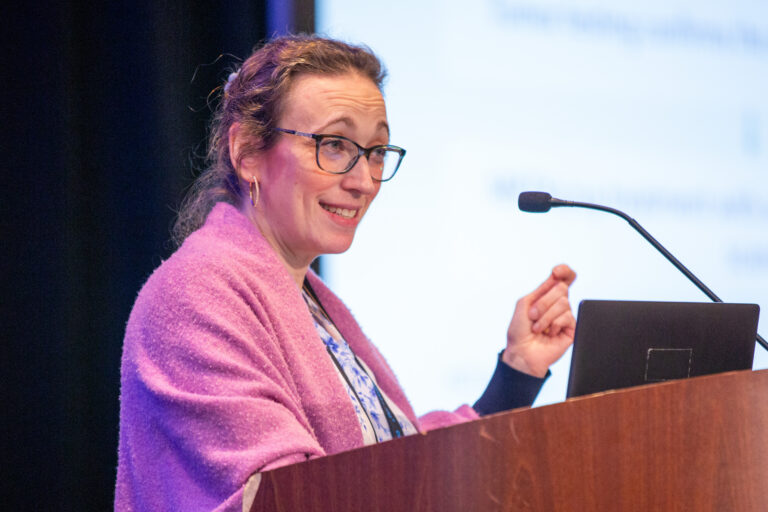
The project is led by Dr. Amanda Woodward, a professor in Michigan State University’s School of Social Work. The Foundation is a research partner, helping ensure that the project reflects the actual experiences and needs of the mesothelioma community.

The research addresses a significant gap in mesothelioma care: while patients often have access to treatment resources, caregivers frequently lack adequate support.

Caring for yourself: Managing stress and emotional well-being 

Juggling medical visits, household chores, work, and emotional pressures can cause severe strain. It is common for caregivers to experience stress, exhaustion, worry, and guilt.

  • Physical Demands: Exhaustion from managing daily care tasks and frequent travel. 
  • Emotional Stress: Uncertainty about the future and watching a loved one’s health change. 
  • Role Strain: Overwhelm from balancing caregiving with parenting, work, or other obligations. 
  • Financial Worry: Stress related to medical expenses, travel costs, or taking time off work. 
  • Social Isolation: Reduced time for personal relationships and hobbies, leading to loneliness. 
  • Anticipatory Grief: Persistent sadness or anxiety about what lies ahead. 
  • Physical Health: Changes in sleep patterns, weight, or worsening of personal health conditions. 

Many caregivers hesitate to accept help, feeling they must manage everything on their own. This can increase feelings of isolation and contribute to burnout. 

  • Share Responsibilities: Divide caregiving duties among family members so no single person carries the entire load. 
  • Utilize Community Resources: Accept assistance with meal preparation, housekeeping, yard work, or transportation. 
  • Explore Financial Assistance: The Mesothelioma Foundation offers grant programs and can connect you with financial assistance resources. If you need help, contact [email protected] or call (877) 363-6376. 

Protecting your physical and emotional health is vital. Even small steps can make a meaningful difference: 

  • Prioritize Basic Needs: Aim for consistent sleep, eat nourishing meals, stay hydrated, and include light physical activity, such as a short walk. 
  • Set Realistic Boundaries: Say “no” to nonessential obligations and schedule time away from caregiving duties when you can. 
  • Maintain Connections: Stay in touch with supportive friends and family members. 
  • Join a Support Group: Connect with others who understand your experience. The Mesothelioma Foundation hosts a monthly caregiver support group on Zoom, as well as a caregiver Facebook group.  
  • Process Your Emotions: Talk openly with a trusted friend, journal, practice meditation, or work with a professional counselor. 
  • Monitor Your Health: Keep your own medical appointments and let your healthcare provider know if you are experiencing significant stress.
     

The mesothelioma journey affects the entire family. Your role as a caregiver is invaluable, and so is your health. 

 

An older couple laughs together as they lean in toward a laptop at their kitchen table.
zoom group moderated by Jenna Sangastiano, LPC, CSAC

Caregivers support group  

If you’re struggling and in need of help, there is a place where you can connect with other caregivers. This community will give you a listening ear and offer any kind of help they can.  

Mesothelioma caregiver support & resources  

Find practical guidance, helpful resources, and information created to support caregivers throughout the mesothelioma journey. Explore the latest articles covering caregiving, self-care, treatment support, and more.