How can integrative oncology support mesothelioma care?
Integrative oncology brings together standard cancer treatment and complementary approaches that can support patients throughout care. These approaches can address different aspects of the cancer experience, from managing treatment-related symptoms to supporting physical and emotional well-being.
The approaches below are supported by varying levels of research and may be appropriate at different stages of treatment. Your healthcare team can help you understand the evidence behind each approach and whether it is appropriate for you.
Evidence-based integrative approaches
The following integrative approaches may be used alongside cancer treatment to help manage symptoms, support well-being, and improve quality of life.
- Acupuncture and acupressure
These approaches can help manage certain types of cancer-related pain and treatment-related symptoms, such as nausea.
- Massage therapy
Massage may provide short-term relief from certain types of cancer-related pain while promoting relaxation.
- Mindfulness and relaxation
Practices such as mindfulness and relaxation techniques can help reduce anxiety, symptoms of depression, and cancer-related fatigue.
- Yoga
Research suggests yoga can support people experiencing anxiety, symptoms of depression, fatigue, and changes in quality of life.
- Tai Chi and qigong
These gentle practices can help reduce cancer-related fatigue and support physical and emotional well-being.
- Music therapy
Music-based interventions may help manage symptoms such as pain, anxiety, and emotional distress.
- Exercise and physical activity
Regular physical activity can help reduce cancer-related fatigue and maintain strength and physical function when appropriately tailored to the patient.
- Nutrition and supportive care
Nutrition assessment and individualized support can help maintain strength and overall well-being during and after treatment. This can be especially important for people with mesothelioma, who may experience loss of appetite and muscle mass related to treatment or surgery.
- Supporting quality of life
Integrative oncology takes a whole-person approach to cancer care. It addresses symptoms and concerns that can affect physical and emotional well-being and overall quality of life throughout treatment and survivorship.
Talk with your cancer care team
Not every complementary therapy is appropriate for every patient. Your oncology team can help you understand the potential benefits and risks and determine whether an approach is right for you.
Emotional & mental health
Mental and emotional health is an important, though often overlooked, part of mesothelioma care. While patients are typically guided through diagnosis, treatment options, and physical side effects, emotional well-being is not always addressed in the same way. This section is designed to help bring awareness to that part of the journey and offer supportive approaches that may help.
- Counseling
A new diagnosis can feel overwhelming for both patients and caregivers and may lead to anxiety, depression, or emotional distress. Working with a qualified mental health professional who has experience supporting cancer patients can provide guidance, coping strategies, and a safe space to process these feelings.
- Support groups
Without an outlet, emotions and stress can build over time and feel isolating, especially with a rare disease like mesothelioma. Support groups offer a space to connect with others who understand similar experiences, and we provide a range of support options for patients, caregivers, and the bereaved.
- Meditation
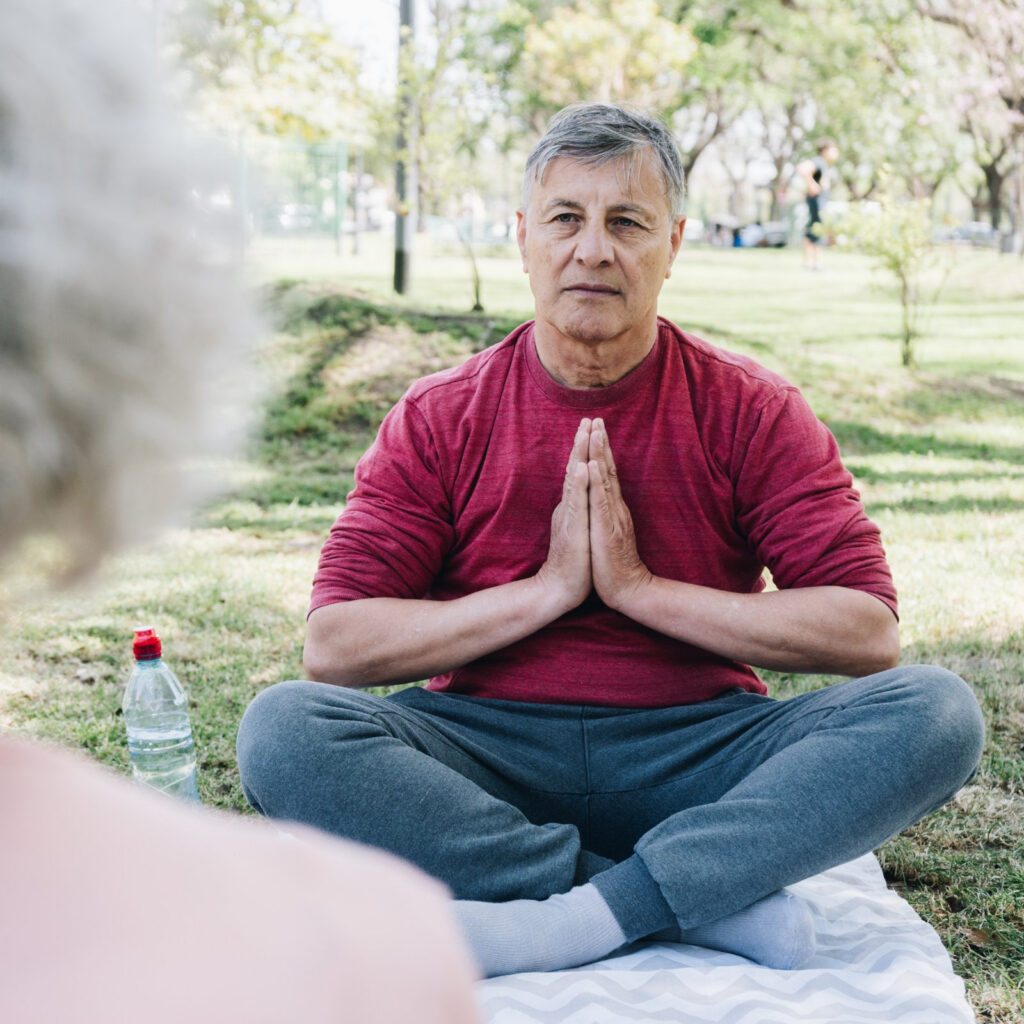
This is a practice focused on calming the mind through intentional attention and awareness. This may involve focusing on the breath, a sound, an image, or a repeated word or phrase known as a mantra. Many people use meditation to support relaxation and emotional balance.
- Spirituality
This can take many forms and may or may not be tied to organized religion. For some, it involves a sense of connection to something larger than oneself, while for others it may be rooted in faith communities or personal belief systems. This sense of connection can provide comfort, meaning, and emotional grounding during a difficult time.